Charges: Beasts
Among the most prevalent charges to be found are beasts. It is important to remember that the heraldic depiction of an animal does not always match the natural appearance of the beast. A good example of this is the tiger: in ancient armorial examples one will find only the heraldic tyger, a stylized creature which bears little resemblance to a tiger's natural appearance. In more recent coats-of-arms, however, one finds the Bengal tiger, a much more naturalistic presentation of the animal.
When describing an animal it is necessary to blazon not only the creature's type but also the position in which it is presented. These positions are illustrated by the lion and by the stag, for which the various positions are differently named.
Other animals which are occasionally encountered in heraldry but for which we have no illustration currently include:
- camel
- cows or calves
- crocodile
- dogs: bloodhound, foxhound, mastiff
- ibex
- panther (rarely found other than as a supporter)
- oxen
- porcupine
- rhinoceros
- sprinbok (or South African antelope)
- tortoise
- zebra
(Note: If a dog is shown chasing another animal it is said to be "in full chase" or "in full course." A dog with it's nose to the ground is described as "on scent.")
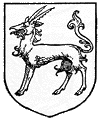
heraldic antelope statant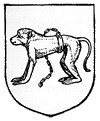
ape collared & chained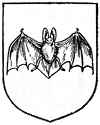
bat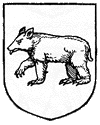
bear passant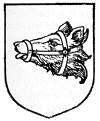
bear's head erased & muzzled
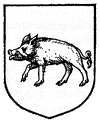
boar passant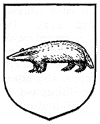
brock or badger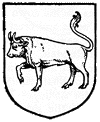
bull passant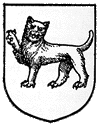
cat-a-mountain passant guardant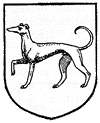
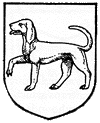
greyhound passant
talbot passant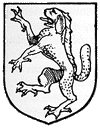
sea-dog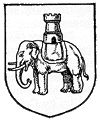
elephant and castle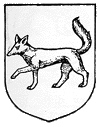
fox passant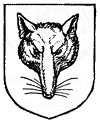
fox's mask
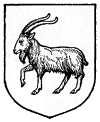
goat passant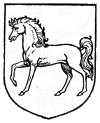
horse passant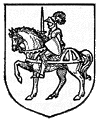
chevalier on horseback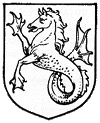
sea-horse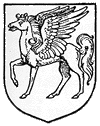
Pegasus passant
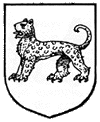
leopard statant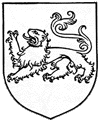
lion passant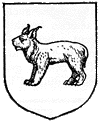
lynx coward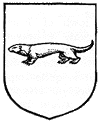
otter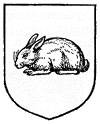
coney
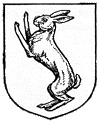
hare salient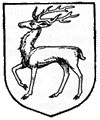
stag trippant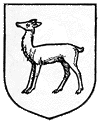
hind statant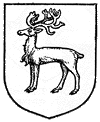
reindeer statant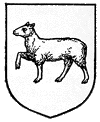
sheep passant
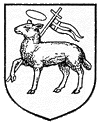
Pascal lamb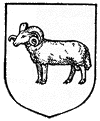
ram statant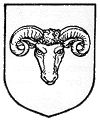
ram's head caboshed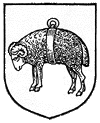
fleece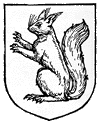
squirrel
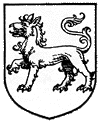
heraldic tyger passant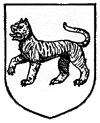
Bengal tiger passant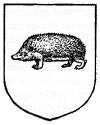
urcheon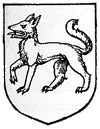
wolf passant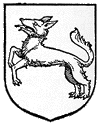
wolf courant
Positions of Beasts as Exemplified by Lions
Most other animals use the same descriptive terms for their positioning as do lions. The primary exceptions are stags, other members of the deer family, and horses.
passant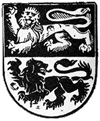
passant guardant (top); passant reguardant (bottom)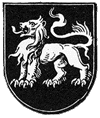
statant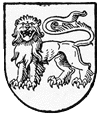
statant guardant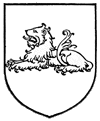
couchant
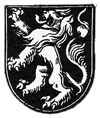
rampant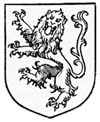
rampant guardant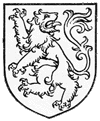
rampant reguardant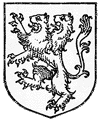
rampant with two heads
two lions rampant combatant
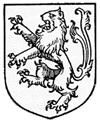
rampant queue‑fourché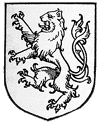
rampant double queued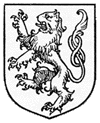
rampant, tail nowed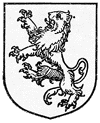
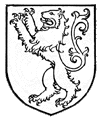
coward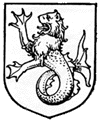
sea lion
salient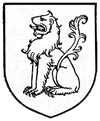
sejant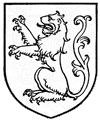
sejant erect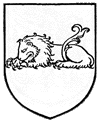
dormant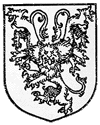
tricorporate
Positions of Beasts as Exemplified by Stags
Other animals for which the positioning is described with these terms include other members of the deer family and horses.
trippant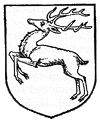
springing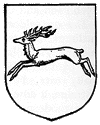
courant
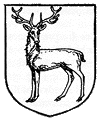
at gaze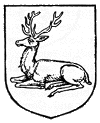
lodged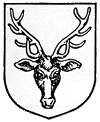
stag's head caboshed
General RBSC Hours
- Mon - Fri
- 9:30am - 4:30pm
- Sat - Sun
- CLOSED
For exceptions and Hesburgh Library information, view All Library Hours

 |
| 